






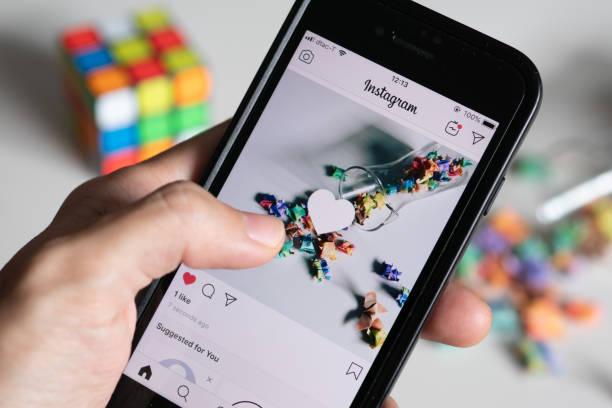
In the age of social media, where platforms like Instagram dominate our daily lives, the act of tapping “like” on a post has become second nature. But beneath this seemingly trivial action lies a complex web of psychological motivations that drive people to engage with content. The psychology behind why individuals tap that Instagram “like” is rooted in fundamental human behaviors and needs.
At its core, liking a post is an expression of approval or connection. Humans are inherently social creatures who thrive on interaction and belonging. When someone taps the “like” button, it often signifies agreement or appreciation for the content shared. This small gesture allows users to communicate without the need for words—a quick way to acknowledge someone’s effort or share in their joy.
One significant factor influencing likes is reciprocity. People tend to return favors as part of maintaining positive relationships, even in digital spaces. If someone frequently engages with your posts by liking them, you’re more likely to reciprocate when you see their content appear on your feed. This mutual exchange fosters a sense of community and strengthens connections within one’s network.
Another key driver is validation—both giving and receiving it. For many users, seeing those little hearts accumulate under their posts provides affirmation that their thoughts, appearance, or creativity are appreciated by others. On the flip side, liking someone else’s post can be an indirect way of validating them while also subtly signaling alignment with their values or interests.
Social comparison theory also plays into this dynamic. Users may feel compelled to like certain posts because they want to associate themselves with what appears popular or trendy at the moment. Liking serves as a subtle form of identity expression; it reflects one’s preferences and helps curate an online persona aligned with how they wish others to perceive them.
Moreover, there’s an element of habit involved in tapping “like.” With endless scrolling becoming routine behavior for many users, hitting “like” sometimes happens almost automatically—without much thought—simply because it’s easy and expected.
Finally, dopamine release plays an undeniable role in keeping people engaged on platforms like cheapest real instagram followers. Both giving likes and receiving them trigger small bursts of pleasure due to dopamine activity in the brain’s reward system—a cycle that reinforces continued participation over time.
Ultimately, while tapping “like” might seem inconsequential at first glance, it reveals much about human psychology: our need for connection, validation, self-expression—and even our susceptibility to habitual patterns shaped by technology-driven environments.